

Hello everyone,
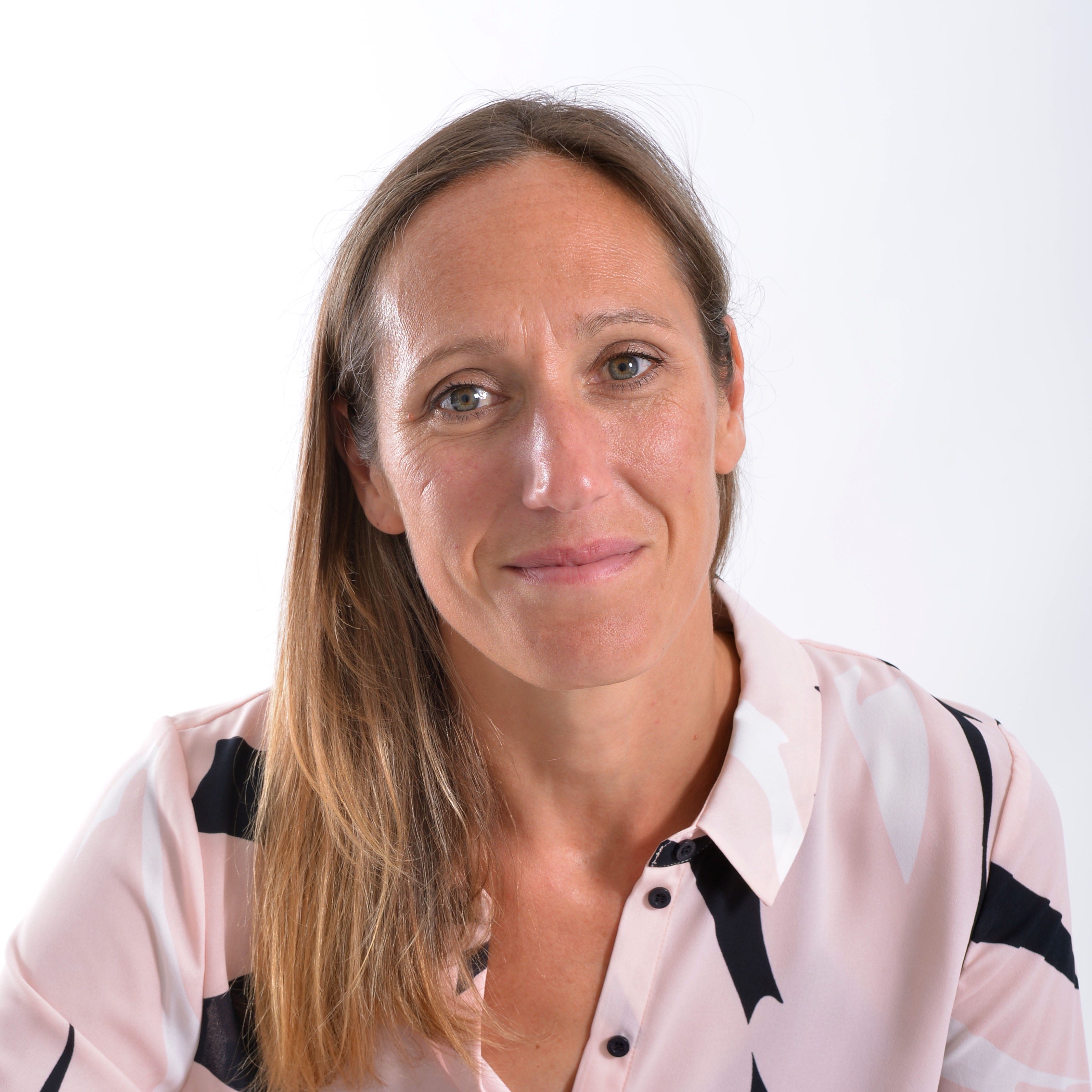
Today I bring you Olivia Palmer, a Registered Nutritionist (ANutr) and Chartered Health Psychologist (HCPC).
This conversation is for those who don’t want their worth measured by a number on a scale and who know they deserve care beyond their weight.
Olivia has worked with hundreds of women across weight management services, community eating disorder teams, and the NHS. She developed and delivers an intervention that helps individuals restore their relationship with food and eating, enabling them to manage their health without focusing on weight.
She now works in clinical health psychology within the NHS and independently researches the acceptability of weight-neutral interventions, both for individuals and within healthcare systems.
Through all of this work, Olivia has reached one clear conclusion:
We need to stop telling people that they need to lose weight to be healthy
Women with PCOS are told to lose weight at pretty much every appointment they go to, so this conversation is a valuable exploration of biology, psychology, public health systems, culture, and, unfortunately, stigma.
We are detaching the equation of Weight = Health.
*Although the term ‘obesity; is referenced in this conversation, Olivia does not typically use this language in her own practice. She recognises its utility in systemic and policy contexts, but in her work with individuals, she takes a weight-neutral, health-centred approach.
We cover:
The problem with “lose weight” as a prescription
Should weight be ignored completely?
The importance of addressing the underlying biology
Why does healthcare continue to focus so heavily on weight?
The role of behaviour change in health
What should women do when they hear “lose weight”
This episode can be listened to on all major platforms, including Spotify, Apple and YouTube. If you prefer reading, I have summarised it below.
If you want to see some of the snippets from these conversations on Instagram, give us a follow:
Why are women with PCOS so often told to lose weight before they receive treatment?
Because weight has become a shortcut for health.
It is easy to measure, inexpensive to track, and simple to report in public health systems that are under pressure to show outcomes. You can step on a scale and produce a number within seconds. That number then becomes the focus.
But PCOS is not simple.
When someone, particularly a teenage girl, walks into a GP’s office with irregular cycles, acne or weight gain and is told that no further investigation will happen until she loses weight, the message she hears is that her symptoms are not valid yet.
She hears that her body must change before she deserves care.
The deeper problem is that weight gain in PCOS is often a symptom of underlying hormonal disruption. Insulin resistance, altered androgen levels, sleep disruption, stress physiology and genetics all sit upstream of body composition. When we focus exclusively on weight, we risk targeting the visible outcome rather than the mechanism driving it.
Should weight be ignored completely?
No. There is evidence that higher adiposity levels are associated with an increased risk of certain conditions. That relationship exists.
But association does not mean that weight itself is the primary driver in every case, nor does it mean that shrinking the body is always the most effective intervention.
If insulin resistance is present, then insulin resistance is what needs addressing. If cortisol is elevated due to chronic stress or stigma, that needs to be regulated. If hunger signalling is altered, that needs a biological understanding.
Weight may shift as those mechanisms improve. It may not shift dramatically. But it should not be the gatekeeper to care.
What I am advocating for is a biology-first approach. What is happening in someone’s body that is leading to all of these symptoms and how can we address that?
Can behaviour override biology?
We often ask people to change their behaviour in ways that directly conflict with their biology. If fat cells shrink, hunger hormones increase. If energy intake drops significantly, metabolic rate adapts. If someone already has altered appetite regulation due to insulin resistance, simply telling them to eat less ignores the biological reality.
That does not mean behaviour is irrelevant. It means behaviour must support biology rather than attempt to overpower it.
Improving sleep can reduce cortisol. Adjusting the macronutrient balance can stabilise blood glucose levels. Reducing chronic stress can positively affect metabolic regulation. Behaviour change absolutely matters, but it needs to be informed by physiology.
Trying to restrict your way out of a hormonally driven condition is unlikely to succeed long-term.
Why does healthcare continue to focus so heavily on weight?
Partly because of measurement and partly because of culture.
BMI is simple. It is inexpensive. It can be tracked at scale. Hormonal panels, continuous glucose monitoring and comprehensive metabolic assessments are more complex and more costly.
But complexity should not be an excuse for oversimplification.
We do have other measurable health markers. In diabetes care, for example, we routinely monitor blood glucose, kidney function, eye health and blood pressure. It is entirely possible to measure health without centring weight as the primary outcome.
The issue is that we remain embedded in a weight-centric health paradigm. It feels familiar. It feels efficient. It feels objective. But it often misses nuance.
What is the psychological impact of framing everything around weight?
When someone has spent years being told they lack discipline, that their body is the problem, or that they simply need more willpower, that messaging does not disappear when they attempt to improve their health.
Shame increases stress. Stress increases cortisol. Cortisol influences insulin sensitivity and fat storage. The framing of the problem can actively worsen the physiology we are trying to improve.
Sustainable behaviour change requires self-efficacy, the belief that change is possible and that one is capable of making it. That belief does not grow in environments of blame.
What should the focus be instead?
The focus should be on improving measurable health outcomes and reducing symptoms.
Are cycles becoming more regular?
Is blood glucose stabilising?
Is energy improving?
Are androgen-related symptoms reducing?
Is blood pressure within range?
These are meaningful markers of health. They reflect physiology rather than appearance.
Weight may change as those processes improve. But shrinking the body should not be a prerequisite for investigation, treatment or compassion.
What should someone do if they are told to “just lose weight”?
Ask for clarity. Ask which mechanism is being targeted. Ask which symptom is expected to improve. Ask whether there are biological interventions that can begin immediately.
If every path leads back to weight without explanation, seeking a second opinion is reasonable. Healthcare should feel collaborative and grounded in physiology, not centred on appearance.
PCOS is complex. It involves endocrine signalling, metabolic regulation and communication between the brain and ovaries. It cannot be reduced to a number on a scale and neither can you.
You can find Olivia Palmer at her Substack:
See you Sunday,
Francesca


